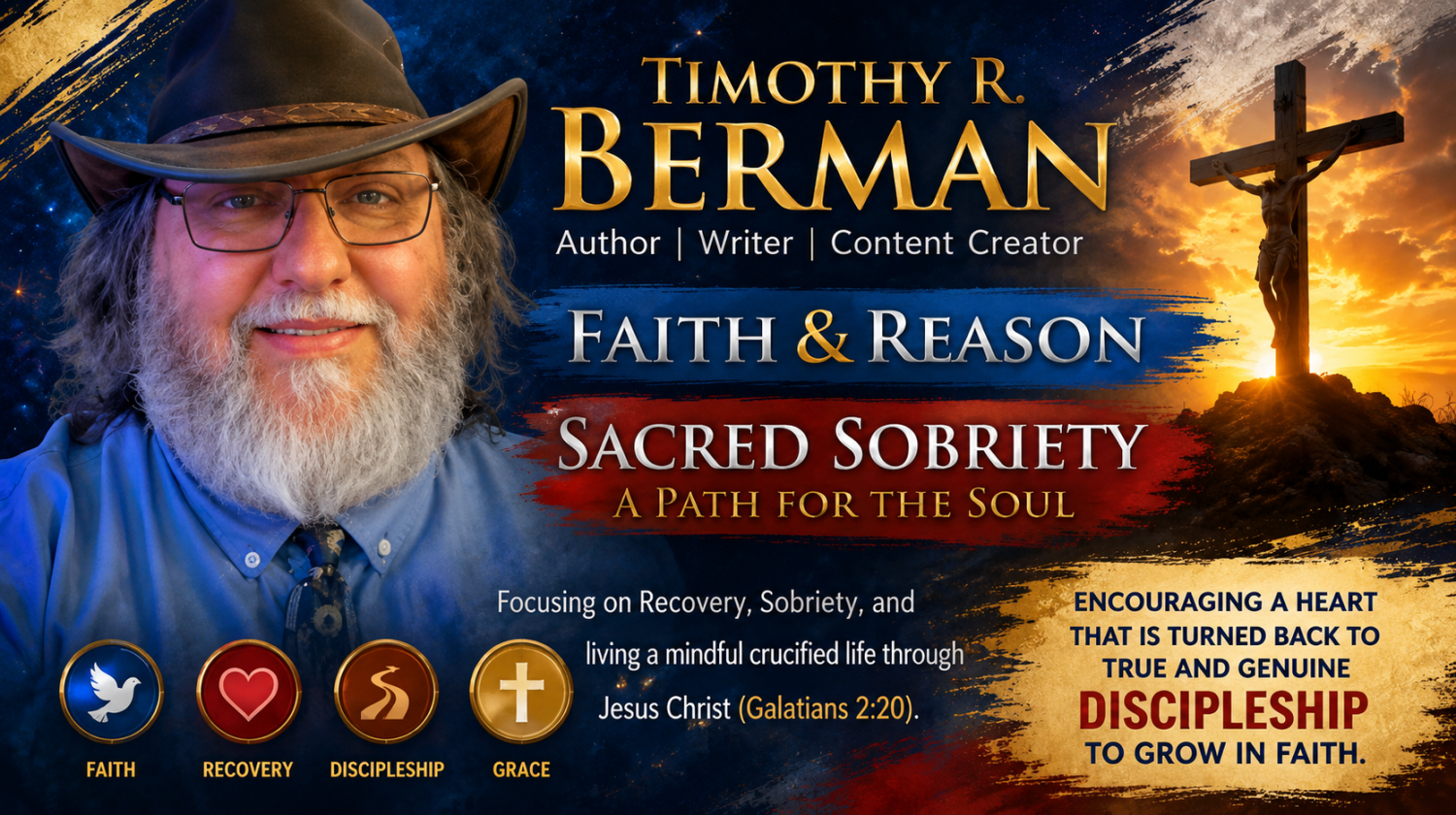
The Truth’s Most Powerful Ally: A Life That Speaks Louder Than Words

We live in a world overflowing with opinions, arguments, podcasts, and social media posts—yet we often find ourselves starving for authenticity. People tend to trust what they see far more than what they hear. You can win an argument but still lose a connection. You can defend the truth yet fail to embody it. Amid this tension, many of us who are in recovery, healing, or rebuilding our lives ask ourselves a deeper question: Does my life truly reflect the truth I claim to believe?

A.W. Tozer cuts through the noise with such piercing clarity when he says, “The most effective argument for Christianity is still the good lives of those who profess it.” It’s not about eloquence or theology or debate. It’s about a life transformed by Christ.

Scripture backs this up with sobering clarity: James 2:17 (NRSVUE) reminds us that “So faith by itself, if it has no works, is dead.”

For those navigating recovery, untangling from toxic relationships, or breaking free from codependency, this truth hits home. Transformation isn’t some abstract idea—it’s something you can see. It shows in the way you set boundaries, the way you walk away from chaos, and the way you choose peace over control. These decisions become living sermons that nobody can overlook.

A transformed life isn’t just an addition to your faith; it’s tangible evidence of it. In recovery, this looks like opting for boundaries instead of people-pleasing, choosing truth over denial, and embracing surrender over control.

1 Peter 2:12 (NRSVUE) takes this even further: “Conduct yourselves honorably among the gentiles, so that… they may see your honorable deeds and glorify God…”

People might never pick up a Bible, but they will read your life. They draw conclusions about God based on what they observe in you.

Every small act of kindness, every moment of self-discipline, and every decision based in love turns into a testimony. It’s in these everyday choices that the authenticity of your faith shines the brightest. When someone sees genuine transformation, it offers hope that real change is indeed possible. They’re not just hearing the Gospel; they’re witnessing it in action through your life.

Anchor verse – Matthew 5:16: “In the same way, let your light shine before others, so that they may see your good works and give glory to your Father in heaven.” (NRSVUE)

So if you’ve battled with guilt, shame, or a crisis of faith, hear this loud and clear: God isn’t asking you to be perfect. He’s inviting you into a real transformation.

2 Corinthians 3:18 (NRSVUE) tells us: “And all of us… seeing the glory of the Lord as though reflected in a mirror, are being transformed into the same image from one degree of glory to another…”

This is a process—a journey of becoming. It’s a gradual reshaping of your life that others can’t help but notice.

And even on days when your voice feels quiet, your life—anchored in Christ—becomes a testimony that resonates with undeniable clarity.

Engaging with others in their struggles, rather than offering empty platitudes, creates deep connections. The beautiful truth is that God doesn’t call you to perform truth; He calls you to be transformed by it. This transformation, evident in your actions and choices, becomes a beacon of hope to those around you who are seeking meaning and reassurance.

By choosing to embody love, grace, and perseverance—qualities that Christ offers—you not only nurture your own growth but also inspire others to embark on their own journeys toward healing and authenticity. Your life can stand as a powerful testament, gently guiding others out of darkness into a place where they can truly see and experience real change for themselves.

Read More »

Stuck Grief: Embracing Healing Through God’s Grace

Key Passage: “The Lord is close to the brokenhearted and saves those who are crushed in spirit.” ~ Psalm 34:18

Grief is an unavoidable part of life. We’ve all experienced it in its most obvious forms—losing a loved one, enduring a painful breakup, or facing life-altering circumstances. But what about the grief we rarely talk about—the hidden grief lodged deep within our souls, born from wounds that often remain unacknowledged?

The Big Red Book of Adult Children of Alcoholics (ACA) defines stuck grief as, “grief [that] is loss stuck beneath denial, willful forgetting, and the fear of being perceived as dramatizing the past. Grief is the built-up defeats, slights, and neglect from childhood.” This grief isn’t tied to a single event but to a lifetime of small, repeated wounds: harsh words from a parent, constant comparisons to a sibling, or being taught to hide family dysfunction behind a mask of silence.

As believers, we know that God’s Word addresses every area of brokenness, including this often-overlooked grief. By applying biblical principles to the concept of stuck grief, we can find hope, healing, and the abundant life Jesus promises.

What the Bible Says About Grief

The Bible doesn’t shy away from grief. In fact, the Psalms are filled with raw, unfiltered expressions of sorrow. Psalm 34:18 tells us, “The Lord is close to the brokenhearted and saves those who are crushed in spirit.” God’s heart is tender toward those who carry pain, even the kind of pain we ourselves might minimize or bury.

Jesus Himself understood grief intimately. Isaiah 53:3 calls Him “a man of sorrows, acquainted with grief.” In John 11:35, we see the shortest and one of the most profound verses in the Bible: “Jesus wept.” This moment, occurring just before He raised Lazarus from the dead, reminds us that God doesn’t dismiss our sorrow. He enters into it with us.

For those of us grappling with stuck grief from childhood wounds, this truth is life-changing. Our unspoken pain matters to God. He sees every slight, every neglectful word, every moment of shame we endured—and He invites us to bring it all to Him.


Acknowledging Stuck Grief: Why It Matters

Before healing can begin, we must first name the pain. Childhood grief often remains stuck because we were taught to dismiss it or because we fear being labeled as overly sensitive. However, the Bible reminds us that God values truth: “Then you will know the truth, and the truth will set you free” (John 8:32).

In recovery, this acknowledgment involves uncovering hidden memories and facing the feelings associated with them. This process isn’t easy, but it mirrors the biblical principle of confession. In James 5:16, we’re encouraged to “confess your sins to each other and pray for each other so that you may be healed.” While this verse speaks of sin, the principle of bringing things into the light for healing can apply to grief as well.


Healing Through God’s Grace

  1. Grieve With God
    In Psalm 56:8, David writes, “You keep track of all my sorrows. You have collected all my tears in your bottle. You have recorded each one in your book.” God doesn’t rush us through our grief. Instead, He lovingly collects every tear, cherishing the process of our healing. If we’ve been taught to ignore or suppress grief, we might feel uncomfortable bringing it to God. But prayer—raw, honest conversation with Him—is the perfect place to start. Lay your wounds before the Lord, trusting Him to be gentle with your heart.
  2. Let the Inner Child Meet the Heavenly Father
    For those familiar with ACA’s recovery process, connecting with the Inner Child is a key aspect of healing. As Christians, we can take this practice a step further by introducing our wounded inner selves to God as our Heavenly Father. Romans 8:15 reminds us that we have “received the Spirit of adoption as sons, by whom we cry, ‘Abba! Father!’” This means that no matter what kind of earthly parents we had, we have a perfect Father in Heaven who longs to nurture, protect, and heal us. Invite Him into the memories of your childhood pain.
  3. Embrace Forgiveness
    Grieving often involves acknowledging those who hurt us, and forgiveness can feel like a monumental task. However, forgiveness is less about excusing the behavior of others and more about releasing ourselves from the weight of bitterness. Colossians 3:13 instructs us, “Forgive as the Lord forgave you.” When we meditate on the mercy we’ve received through Christ, we find the strength to extend forgiveness—even if it’s a daily choice we have to keep making.
  4. Find Community
    God designed us for relationships. Galatians 6:2 urges us to “carry each other’s burdens, and in this way, you will fulfill the law of Christ.” Whether through a recovery group like ACA, a trusted church community, or close Christian friends, sharing our grief helps us heal. Vulnerability is difficult but necessary. When we open our hearts, we give others the chance to demonstrate God’s love to us in tangible ways.

The Other Side of Grief

The beauty of healing from stuck grief is that it leads to freedom. Jesus said, “I have come that they may have life, and have it to the full” (John 10:10). This fullness of life includes feeling fully alive—something many of us miss when we carry unprocessed grief.

On the other side of grief lies joy. Psalm 30:5 promises, “Weeping may stay for the night, but rejoicing comes in the morning.” When we allow God to walk us through the valleys of our pain, He leads us into a place of greater wholeness and peace.


Takeaways and Spiritual Applications

  1. Grief Is Valid, Even When It’s Hidden
    Just because a wound isn’t visible doesn’t mean it’s insignificant. Acknowledge the pain of your childhood losses, knowing that God sees and cares.
  2. God Invites Us to Grieve With Him
    Instead of avoiding your grief, bring it to the One who promises to comfort you. Matthew 5:4 says, “Blessed are those who mourn, for they will be comforted.”
  3. Healing Is a Journey, Not a Sprint
    Give yourself grace as you process your stuck grief. Healing doesn’t happen overnight, but God is faithful to complete the good work He begins in us (Philippians 1:6).
  4. Freedom Awaits on the Other Side
    By confronting and grieving your childhood wounds, you pave the way for a fuller, more vibrant relationship with God, yourself, and others.

Call to Action

What grief have you been carrying? Take a moment today to reflect on one loss you experienced in childhood. Bring it before God in prayer, asking Him to show you how to grieve it in a loving and compassionate way.

We’d love to hear your thoughts and experiences. Have you faced stuck grief in your own life? How has your faith guided you through the healing process? Share your story in the comments below, and let’s encourage one another on this journey toward freedom and restoration.

And if this post resonates with you, don’t keep it to yourself—share it with someone who might need a reminder of God’s healing love. Let’s continue the conversation and spread hope!